
Events as a
marketing tool
Why the most expensive channel in the marketing mix can be the most measurable one.
Reach has become cheap. Attention has not.
A digital contact means many contacts within seconds: anonymous, comparable at any time and effective on the crowd. Objections remain unspoken.
An event contact is the opposite: few contacts over several hours, personal and memorable. Objections are put on the table, and the effect unfolds directly with the decision-makers.
That is why an event is not a reach instrument but a depth instrument – and belongs at the end of the funnel, not at the beginning.
Four event types. Four tasks.
Each format serves exactly one task – and is measured against it alone.
- 01 VisibilityTrade shows, sponsoring, industry meet-ups. Goal: become known. KPI: qualified first contacts.
- 02 TrustExpert forums, roundtables, workshops. Goal: demonstrate expertise. KPI: follow-up appointments booked.
- 03 DecisionCustomer days, on-site and plant visits. Goal: remove doubts. KPI: close rate and time to close.
- 04 LoyaltyCustomer parties, networking evenings, anniversaries. Goal: maintain the relationship. KPI: repeat business and referrals.
The most common mistake: one event that is supposed to fulfil all four tasks at once.
What guests remember
Good conversations, good food, good atmosphere. None of the three happens by accident.
- Good conversationsWho did I meet, what did we talk about? That becomes a relationship – and later an order.
- Good foodQuality you can taste is read as appreciation: for the guest and for the occasion.
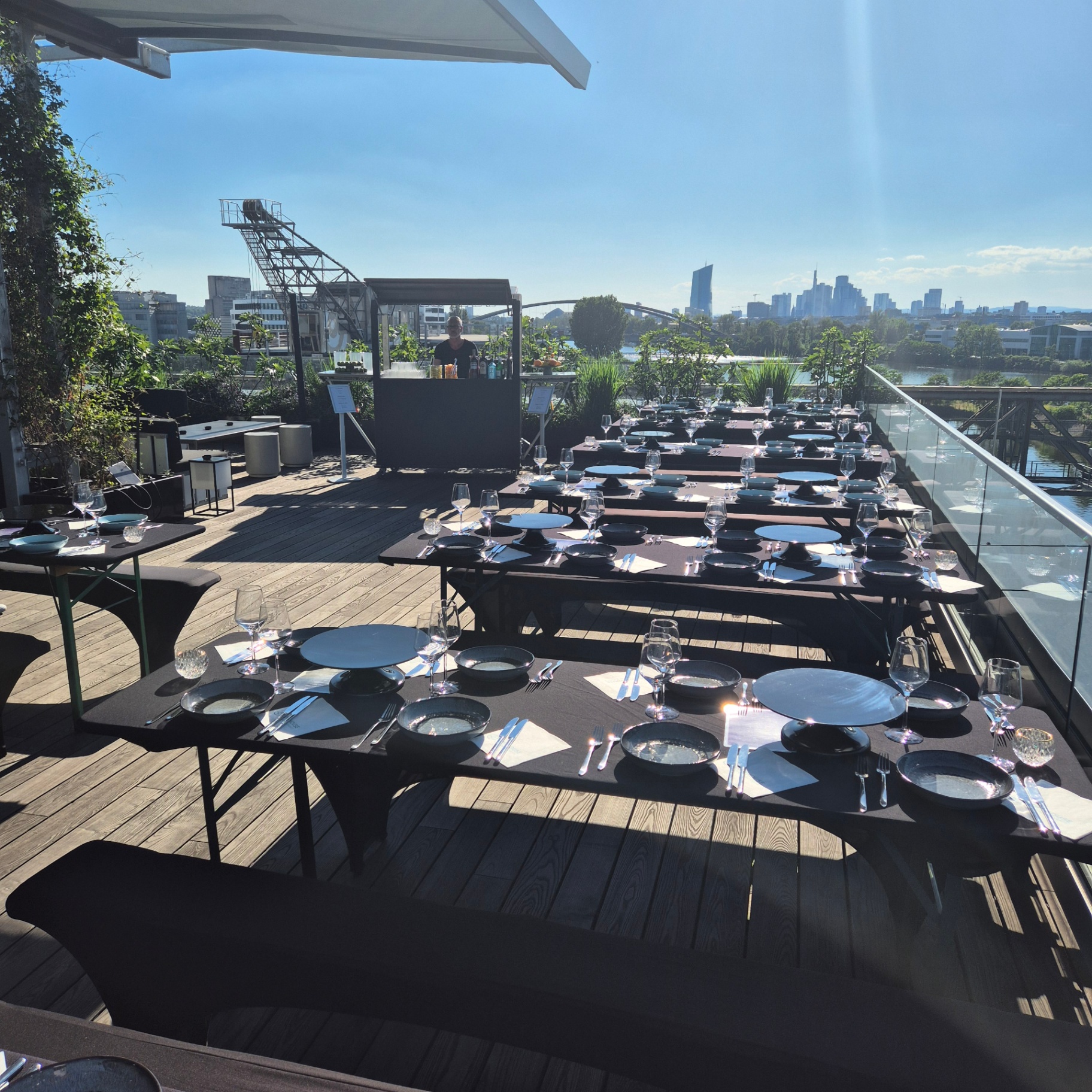
- Good atmosphereSpace, light, acoustics, service, timing. The stage co-determines how a conversation goes.
The halo effect: guests infer the whole from one strong impression. Anyone who is hosted excellently will also consider your company excellent. It works both ways – lukewarm coffee costs competence. That is why food, service and atmosphere belong in sales and budget planning, not under “miscellaneous”.
What you can actually measure
Five key figures turn a budget line into a solid investment case:
- Cost per qualified conversationTotal cost divided by the number of genuine decision-maker conversations.
- Pipeline contributionProposal volume from event contacts within 90 days.
- Time to closeCustomers with personal contact compared to customers without.
- Return and repeat purchase rateThe most honest quality indicator of an event.
- Referrals and applicationsEmployer branding counts towards the calculation.
The only thing that cannot be measured is what never had a goal in the first place.
Three mistakes that cost real money
These three mistakes cost nothing up front – only in the result.
- The event without a goal“Let's do something again.” A budget without an expected value can neither be defended nor repeated.
- The wrong guest listEveryone in the database gets invited – instead of the 40 people who decide on contracts.
- No follow-upBusiness cards left in the jacket pocket. The contact cools down faster than the calendar allows.
Five rules of thumb
Follow these five rules and every event will deliver considerably more:
- One event, one goalEverything else is a side effect.
- Quality over quantityBetter 40 of the right guests than 200 random ones.
- Two thirds networking timeTwo thirds networking time, one third programme.
- A reason to stayEvery guest needs a reason to stay – and a reason to come back.
- Follow-up firstThe follow-up process is in place before the first invitation goes out.
An event is the only channel in which your customer voluntarily gives you their time. The real question is what you do with it.
How your event becomes a sales instrument
- 01Define the goal
One task per event – visibility, trust, decision or loyalty.
- 02Sharpen the guest list
Do not invite the database, invite the decision-makers who determine contracts.
- 03Build the stage
Set space, service and cuisine so that conversations happen instead of a programme running.
- 04Follow up
The follow-up process is defined before the first invitation – including owners and deadlines.
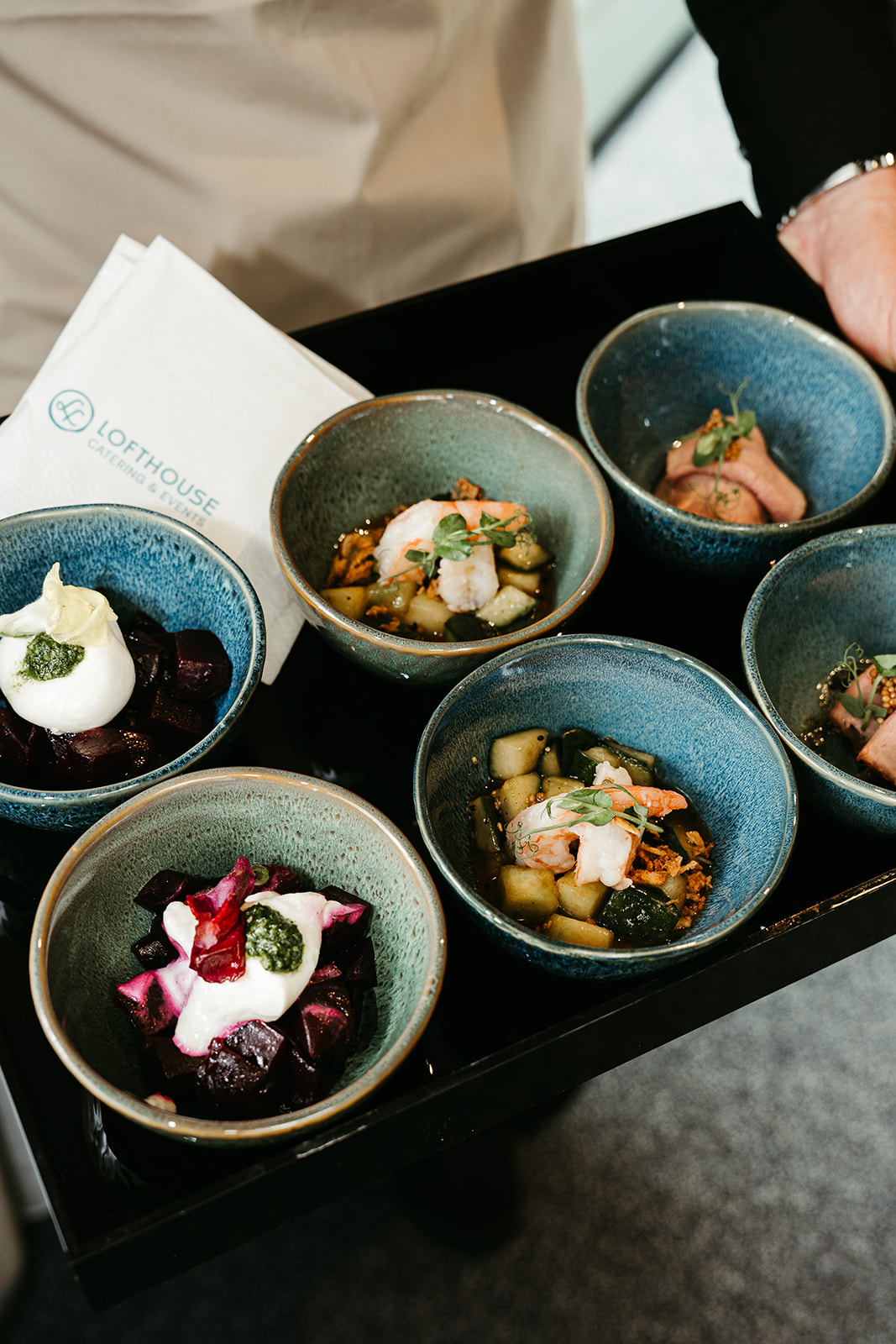
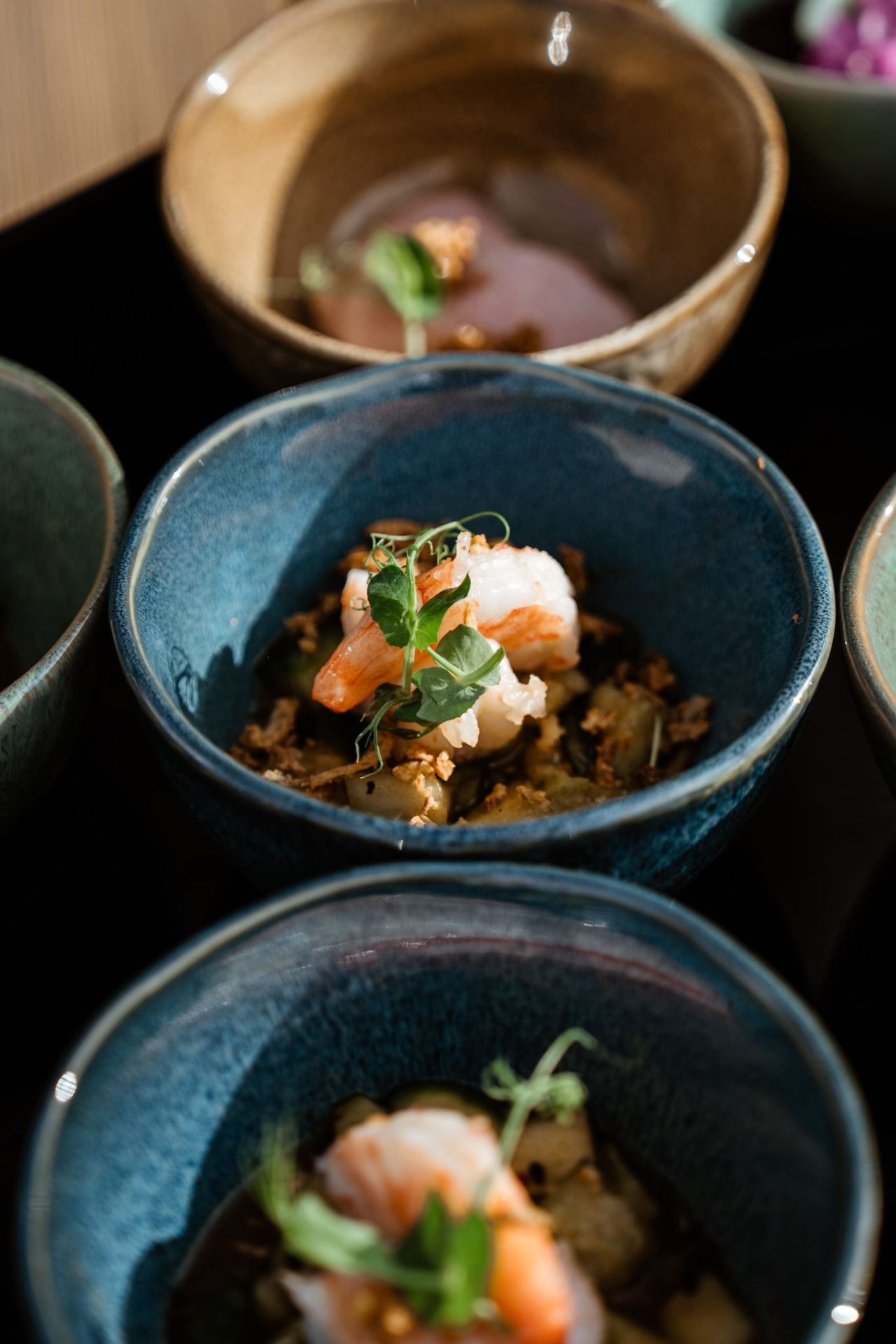
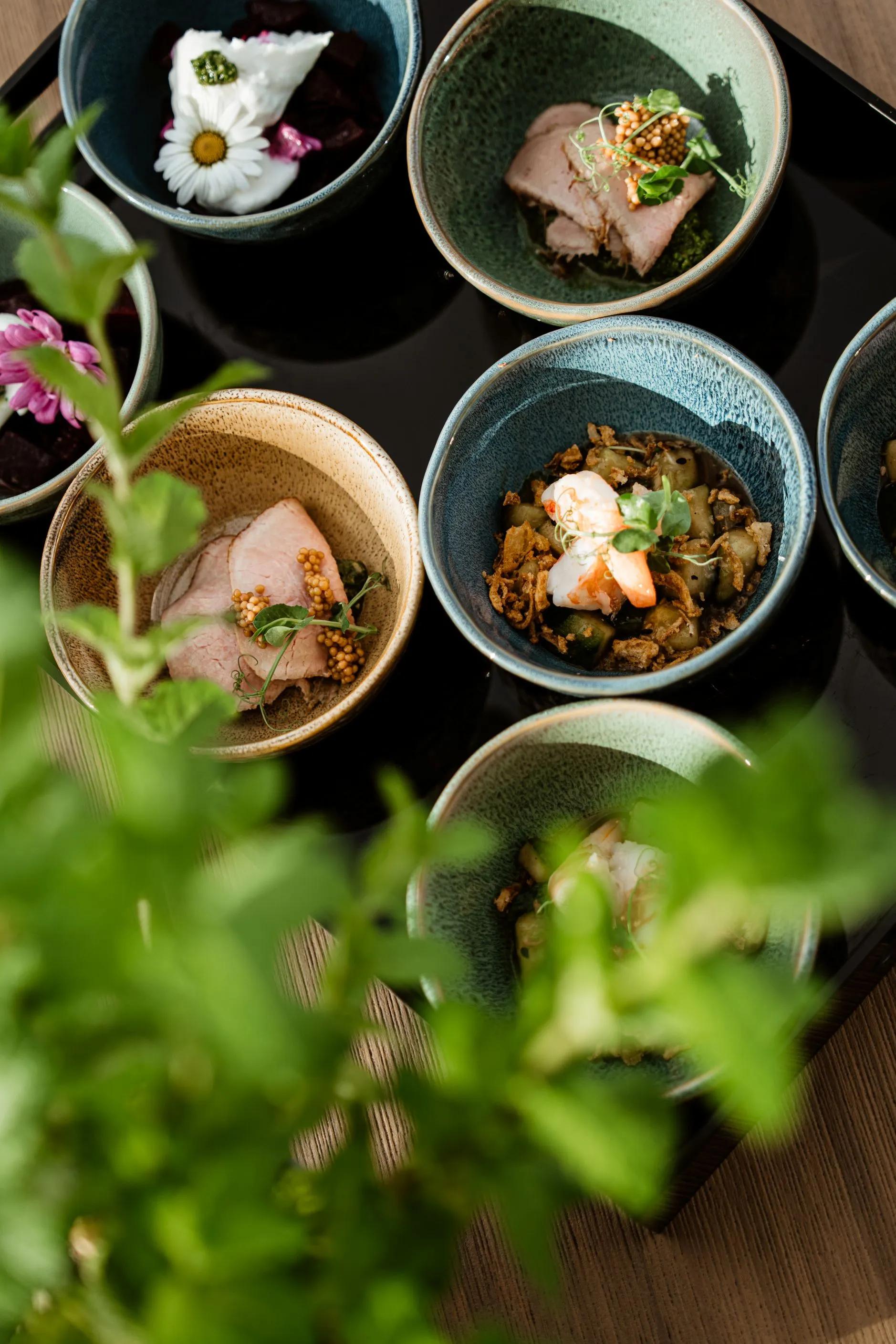
A selection of our dishes and impressions
Plan your next event with Lofthouse Catering
Over 9,000 successful events for leading companies in the Rhine-Main region.